

Mood-Supporting Foods: What to Eat (and Drink) for Calm Energy

Share
Why Diet Matters for Mood & Energy
More than just fuel for the body, what we eat directly impacts our brain, gut, hormones, and ultimately how we feel. Reviews describe that our nutrition has been associated with low mood and a higher risk of depression and anxiety, while healthier diets tend to support mental well-being and “Western-style” diets — high in processed foods and refined sugars — correlate with higher rates of poor mood. In contrast, diets rich in whole foods, fibre, and nutrients support a more stable mood and emotional resilience.
With growing interest in “functional nutrition,” many people in the UK and beyond are turning to mood-supporting foods — including adaptogenic mushrooms, omega-3 fats, fibre-rich plants, and gut-friendly options — to help manage stress, boost energy, and maintain emotional balance.
What to Eat (and Drink): Mood-Supporting Foods
Here’s a breakdown of foods and drinks that can support a calm, energised, balanced mood — and why they work.
Adaptogenic Mushrooms & Mushroom Coffee
-
Adaptogenic mushrooms, such as Lion’s Mane, Reishi, Cordyceps and Chaga, are gaining popularity for stress resilience and mood support. These fungi don’t act like psychedelic mushrooms — they don’t alter perception — but may help your body regulate stress and support emotional stability.
-
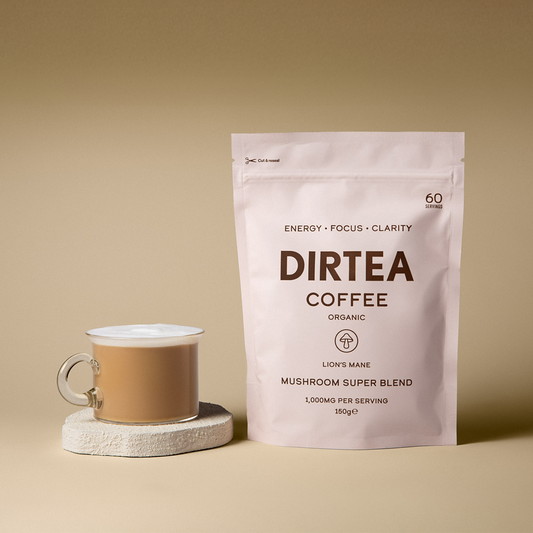
Combining mushrooms with coffee beans yields “mushroom coffee”: a lower-caffeine alternative where medicinal mushrooms are blended into a familiar morning drink. Users often report steadier energy, less jitters, and a calmer mood — a reason “mushroom coffee mood” has become a rising search topic in the UK wellness space.
-
Research is still emerging: a recent exploratory trial found that adults taking a mushroom blend experienced improved mood, reduced stress, and better sleep over about three weeks.
-
Mushrooms also bring antioxidants, bioactive compounds, and prebiotic fibres that support gut health — and since the gut-brain axis influences emotional wellbeing, this may be another channel through which mushrooms help mood.
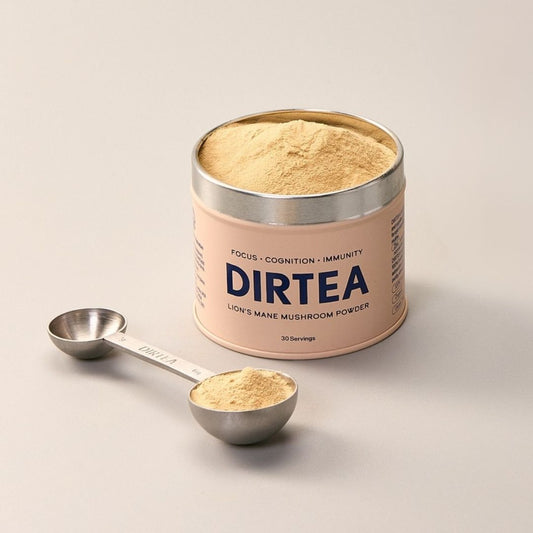
Given this, functional mushroom blends — like those offered by DIRTEA — present a convenient, modern way to integrate adaptogens into a daily routine.
Other Mood-Boosting Foods to Include
While mushrooms are powerful, variety is key. A balanced “food-as-medicine” approach draws on multiple nutrients and whole-food categories.
Omega-3 Rich Foods & Healthy Fats
Foods like salmon, mackerel, walnuts, chia seeds, and flax provide long-chain omega-3 fatty acids (EPA, DHA) — nutrients shown to support brain health, modulate inflammation, and potentially reduce low-mood states.
Including oily fish or plant-based omega-3 alternatives a few times a week has been associated with better mental well-being and may offer protective benefits against mood disorders in some populations.
Fibre, Whole Grains & Complex Carbs
Breakfast staples like oats or porridge, whole grains (brown rice, quinoa), pulses (lentils, beans), and wholemeal bread help stabilise blood sugar. This avoids the peaks and troughs that can trigger irritability, fatigue, or mood swings.
These foods also support a healthy gut microbiome, which plays a major role in neurotransmitter production, inflammation regulation, and overall brain-gut signalling.
Fruits, Vegetables & Antioxidants
Brightly-coloured vegetables, leafy greens (spinach, kale), berries, bananas, nuts, and seeds deliver vitamins, minerals, antioxidants and fibre — all essential nutrients for brain health and emotional resilience.
Antioxidants help protect brain cells from oxidative stress, while fibre and micronutrients support the gut-brain axis and balanced mood regulation.
Fermented Foods & Gut-Friendly Options
Fermented foods such as yoghurt, kefir, sauerkraut, kimchi, and other probiotic-rich items support a healthy gut microbiome. Emerging research links gut health to mood regulation via neurotransmitters and immune signalling.
Balancing gut flora may reduce anxiety, help stabilise mood, and improve emotional resilience over time.
How to Build a Mood-Supporting Daily Eating Pattern
Here’s a sample “calm-energy” daily eating pattern built with these principles in mind:
|
Time of Day |
What to Eat / Drink |
Mood Benefits |
|---|---|---|
|
Morning |
Mushroom-infused coffee or tea (with adaptogenic mushrooms) + oatmeal with berries & nuts |
Gentle energy boost, antioxidants, steady blood-sugar, fibers and gut support |
|
Mid-morning snack |
A banana or piece of fruit + handful of nuts |
Quick nutrient top-up, B-vitamins and healthy fats to stabilise mood |
|
Lunch |
Mixed salad with leafy greens, legumes/pulses, olive oil, and some oily fish (salmon) or seeds |
Omega-3s, fibre, vitamins, good fats for brain & gut health |
|
Afternoon |
A yoghurt (fermented) or kefir with a few berries |
Supports gut-brain axis, mood stability |
|
Evening |
Stir-fry or soup with vegetables + mushrooms + whole grains (quinoa/rice) |
Antioxidants, gut & brain support, calming nutrients |
|
Occasional treat |
A small portion of dark chocolate (70%+ cocoa) |
Mood lift via neurotransmitters + magnesium |
This pattern emphasises consistent nourishment — not extreme restrictions — balancing energy, gut health, micronutrients and adaptogens for steady mood and calm energy.
Why Mushrooms & Adaptogens Make Sense for Aroma-Rich Diets
-
Adaptogens like those found in mushrooms (Lion’s Mane, Reishi, Cordyceps, Chaga) help the body respond to stress, supporting emotional equilibrium and potentially reducing anxiety or mood dips.
-
Mushrooms add bioactive compounds, antioxidants, and prebiotic fibres, supporting brain health, immune function, and gut-brain communication.
-
Blending mushrooms into drinks (i.e. “mushroom coffee mood”) or meals makes adaptogenic and mood-supporting nutrition easy to integrate — no complex recipes necessary.
.
Final Thoughts
Food isn’t just calories. It’s information for your brain, fuel for your body, and a tool for emotional balance. By choosing nutrient-dense whole foods — colourful plants, healthy fats, fibre, fermented foods — and integrating adaptogenic mushrooms via functional blends or “mushroom coffee mood,” you’re giving your brain and gut the building blocks for calm energy, resilience to stress, and stable mood. While nutrition can strongly influence mood, it isn’t a replacement for professional mental-health care when needed. Diet is a supportive tool, not a cure.
If you’d like a gentle, convenient way to explore adaptogenic mushrooms, check out DIRTEA’s range of high-quality blends designed with mood, focus, and wellbeing in mind. Why not start today — and let food become part of your emotional wellness toolkit?
FAQs
What are mood-supporting foods?
Mood-supporting foods are nutrient-dense options that help stabilise energy, support brain function, and nourish the gut-brain connection. Examples include whole grains, oily fish, nuts, seeds, berries, fermented foods, and adaptogenic mushrooms like Reishi and Lion’s Mane.
How can adaptogenic mushrooms support mood?
Adaptogenic mushrooms — such as Lion’s Mane, Reishi, and Cordyceps — contain bioactive compounds that help the body adapt to stress and maintain balance. While research is still emerging, studies suggest these mushrooms may promote calm focus and emotional resilience when taken regularly as part of a balanced lifestyle.
What’s the link between gut health and mood?
The gut produces around 90% of the body’s serotonin, a neurotransmitter linked to happiness and calm. Eating fibre-rich foods, fermented products, and prebiotics (including mushrooms) helps support a healthy gut microbiome, which in turn benefits mood regulation.
What are some easy mood-boosting meal ideas?
-
Breakfast: Oats with berries, chia seeds, and mushroom-infused coffee.
-
Lunch: Mixed salad with salmon, quinoa, and olive oil.
-
Snack: A banana with almond butter or nuts.
-
Dinner: Stir-fried vegetables with tofu and Reishi powder.
These meals balance complex carbs, good fats, and adaptogens for sustained calm energy.
Is mushroom coffee good for mood and energy?
Yes — mushroom coffee combines coffee beans with adaptogenic mushrooms like Lion’s Mane to deliver smoother, more balanced energy. Many users report fewer jitters and steadier focus compared to regular coffee, making it ideal for those seeking calm alertness throughout the day.
Can I take mood supplements with adaptogenic foods?
Absolutely. Combining whole foods with mood supplements — such as DIRTEA’s mushroom powders or gummies enriched with vitamins like B5 and B12 — can help build a foundation for emotional balance and focus. Always check labels and consult a healthcare professional if you’re taking other supplements or medication.
Which DIRTEA products are best for mood and calm energy?
-
DIRTEA Mushroom Coffee – for calm focus and steady energy.
-
DIRTEA Reishi Calm Powder – for evening relaxation and unwinding.
-
DIRTEA Lion’s Mane Focus Powder or Gummies – for mental clarity and cognitive support.
Each blend is formulated with organic vitamins and premium mushroom extracts to help you feel your best, naturally.
References
-
Firth, J., Gangwisch, J. E., Borisini, A., Wootton, R. E., & Mayer, E. A. (2020). Food and mood: How do diet and nutrition affect mental wellbeing? BMJ, 369, m2382. https://doi.org/10.1136/bmj.m2382
-
Venter, R. N., Wildman, R., Haub, M., Riddell, M. K., & Chandradhara, D. (2025). Mood and sleep benefits of mushroom supplementation in young adults: An exploratory randomized, double-blind, placebo-controlled trial. Journal of Nutrition & Food Sciences, 15, 97. https://www.longdom.org/open-access-pdfs/mood-and-sleep-benefits-of-mushroom-supplementation-in-young-adults-an-exploratory-randomized-doubleblind-placebocontrol.pdf
-
Stanford, D. (2025, July 11). Can food boost your mood? Heart Matters Magazine. British Heart Foundation. https://www.bhf.org.uk/informationsupport/heart-matters-magazine/nutrition/can-food-boost-your-mood