Protein for Women: The Wellness Conversation Everyone’s Having

Share
Research suggests that a substantial proportion of adults may not consume protein at levels associated with optimal muscle support, with up to half of people falling below recommended intake thresholds and over 50% of older women not meeting higher protein targets. This pattern has been linked to changes in strength, metabolism, and overall energy levels.
At the same time, dietary surveys show that most adults consume the majority of their protein at dinner, with very little earlier in the day — a distribution pattern associated with poorer satiety and less stable energy across waking hours.
These issues alone help explain why protein has become such a central topic in women’s wellness — not as a trend, but as a missing piece in everyday nourishment.
For years, protein was framed as bodybuilding fuel. Something rigid. Something tracked. Something reserved for gym culture. But the conversation has evolved. Today, protein is being discussed alongside hormone balance, energy stability, mood, and long-term wellbeing — especially for women juggling busy schedules, shifting hormones, and changing nutritional needs.
This isn’t about eating more for the sake of it. It’s about eating enough, consistently, and in ways that support real life.
Why Protein Matters (Beyond Muscle)
Protein is involved in nearly every function in the body. While muscle maintenance is important, it’s only part of the story.
Satiety & Appetite Regulation
Protein slows digestion and influences satiety hormones, helping you feel fuller for longer. This can support fewer energy crashes, less constant snacking, and a more balanced relationship with food.
Muscle Maintenance & Metabolic Health
From around the age of 30, women naturally lose muscle mass over time. Maintaining muscle isn’t about aesthetics — it supports metabolism, bone health, posture, strength, and long-term independence. According to a review, adults who increased protein intake during resistance exercise showed an average of ~20% greater increase in lean muscle mass than those who exercised alone.
Hormones & Neurotransmitters
Protein provides amino acids that are used to create hormones and neurotransmitters involved in mood, motivation, focus, and stress response. Under-fueling protein can quietly affect how resilient you feel day to day.
Energy Stability
When protein is paired with carbohydrates, it slows glucose absorption. This supports steadier energy rather than sharp spikes followed by dips — something many women notice when protein is missing from meals.
Common Misconceptions About Protein
Despite the growing conversation, a few myths still linger.
“Protein is only for people who work out.”
In reality, protein supports immunity, hormones, enzymes, skin, hair, and cognitive function — regardless of exercise habits.
“Eating more protein means eating more meat.”
Protein can come from dairy, eggs, legumes, tofu, tempeh, nuts, seeds, and plant-based protein powders. Variety matters more than one perfect source.
“You have to track grams to get it right.”
You don’t. Awareness and balance are far more sustainable than numbers.
The Protein Plate: What a Balanced Day Can Look Like
Instead of thinking in totals, think in anchors.
A balanced plate usually includes:
-
A protein source
-
Fibre-rich carbohydrates
-
Healthy fats
This combination supports fullness, digestion, and energy regulation.
A realistic example day
Breakfast
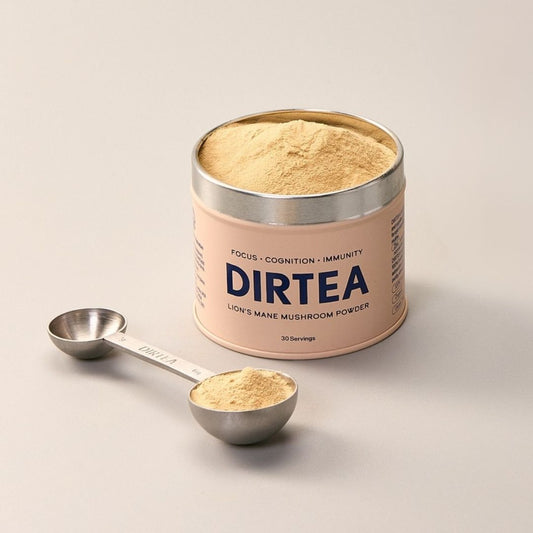
A smoothie made with plant milk, banana, berries, protein powder, nut butter, and a DIRTEA functional mushroom blend (such as Lion’s Mane or Matcha with Lion’s Mane) blended in for focus and steady energy.
Lunch
A grain bowl with lentils or chickpeas, roasted vegetables, olive oil, and seeds.
Snack
Greek yoghurt or a dairy-free alternative with collagen stirred in, plus fruit or nuts.
Dinner
Fish, tofu, eggs, or legumes with vegetables and a complex carbohydrate like quinoa or sweet potato.
Even adding 10–15g of protein per meal can noticeably improve satiety and energy.
How Collagen & Creatine Support Protein Intake
Protein isn’t one-dimensional. Different forms play different roles.
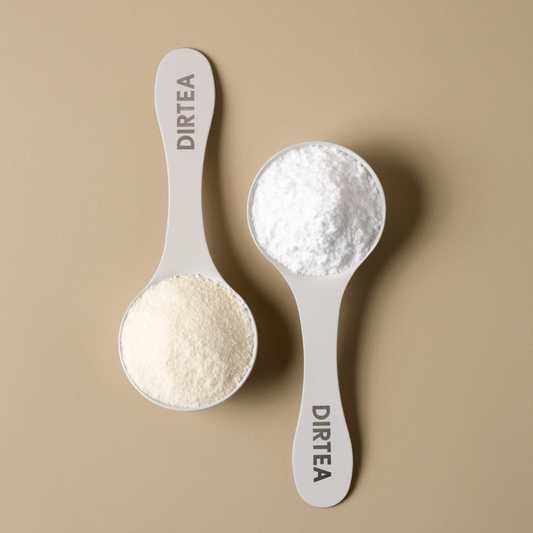
Collagen is rich in glycine and proline and is often used to support skin, joints, and connective tissue. While it’s not a complete protein, it can complement overall intake and be easily incorporated into daily routines.
Many people stir collagen into their morning coffee or protein smoothie alongside a DIRTEA mushroom powder — turning nutrition into a calming, functional habit.
Creatine supports cellular energy production and has been studied for its role in muscle strength, recovery, and cognitive performance under stress. It’s increasingly recognised as beneficial beyond athletic populations, particularly when paired with adequate protein intake.
High-Protein Breakfast Ideas (Without the Intensity)
Breakfast is where protein is most often missed — yet it’s one of the most impactful places to include it.
Try these approachable options:
-
Protein oats: Oats cooked with milk or plant milk, stirred with protein powder, chia seeds, and a DIRTEA blend
-
Smoothie ritual: Frozen berries, banana, protein powder, collagen, nut butter, and Lion’s Mane for mental clarity
-
Yoghurt bowl: Greek or plant-based yoghurt with seeds, nuts, and fruit
-
Eggs + fibre: Eggs with wholegrain toast, avocado, or greens
Comforting, nourishing, and sustainable.
What “Enough” Protein Looks Like (No Tracking Required)
You don’t need an app to know if you’re on track.
A simple, real-life approach:
-
Include a palm-sized portion of protein at each main meal
-
Aim to include protein at breakfast most days
-
Add a protein-rich snack if your day is long, stressful, or active
Protein as a Daily Wellness Ritual
Protein doesn’t have to feel like a rule. When it’s paired with functional ingredients and intentional moments — like blending a protein smoothie with DIRTEA mushrooms or stirring DIRTEA collagen into a warm drink — it becomes part of a daily ritual rather than a task.
That shift matters. Consistency comes from enjoyment, not pressure.
Final Thoughts
The protein conversation isn’t about doing more — it’s about supporting your body better.
When protein is viewed through a wellness lens — alongside energy, hormones, and daily rhythm — it becomes one of the simplest foundations for feeling steadier, stronger, and more resilient over time.
No tracking. No extremes. Just nourishment that fits real life.
FAQs: Protein for Women
How much protein do women need each day?
There’s no single number that fits everyone. A palm-sized portion at each main meal is a practical starting point for most women.
Is protein important if I don’t exercise much?
Yes. Protein supports muscle maintenance, hormones, immune function, and energy regulation regardless of activity level.
Can protein help with energy crashes?
Including protein with meals and snacks can support steadier blood sugar and reduce sharp dips in energy.
Are protein powders okay to use daily?
For most people, yes — especially when used alongside whole foods rather than replacing them.
References
-
Hengeveld, L. M., Boer, J. M. A., Gaudreau, P., Heymans, M. W., Jagger, C., Mendonça, N., Ocké, M. C., Presse, N., Sette, S., Simonsick, E. M., Tapanainen, H., Turrini, A., Virtanen, S. M., Wijnhoven, H. A. H., & Visser, M. (2020). Prevalence of protein intake below recommended in community-dwelling older adults: A meta-analysis across cohorts from the PROMISS consortium. Journal of Cachexia, Sarcopenia and Muscle, 11(5), 1212–1222. https://doi.org/10.1002/jcsm.12580
-
Mamerow, M. M., Mettler, J. A., English, K. L., Casperson, S. L., Arentson-Lantz, E., Sheffield-Moore, M., Layman, D. K., & Paddon-Jones, D. (2014). Dietary protein distribution positively influences 24-h muscle protein synthesis in healthy adults. The Journal of Nutrition, 144(6), 876–880. https://doi.org/10.3945/jn.113.185280
-
Nunes, E. A., Colenso-Semple, L., McKellar, S. R., Yau, T., Ali, M. U., Fitzpatrick-Lewis, D., Sherifali, D., Gaudichon, C., Tomé, D., Atherton, P. J., Robles, M. C., Naranjo-Modad, S., Braun, M., Landi, F., & Phillips, S. M. (2022). Systematic review and meta-analysis of protein intake to support muscle mass and function in healthy adults. Journal of Cachexia, Sarcopenia and Muscle, 13(2), 795–810. https://doi.org/10.1002/jcsm.12922