

Are Mushroom Supplements Worth It?

Share
From Lion’s Mane coffees to Reishi evening rituals, mushroom supplements have become a defining part of modern wellness. But with growing popularity comes a fair question: are mushroom supplements actually worth it — or are they just another trend?
The answer isn’t black and white. Functional mushrooms aren’t quick fixes or miracle solutions — but when used correctly, they can play a meaningful role in a consistent, daily routine.
In this guide, we break down what functional mushroom supplements are, what the research suggests, and what actually determines whether they’re worth your time.
The Rise of Functional Mushroom Supplements
Functional mushrooms have moved from traditional use into everyday rituals, reflecting a broader shift toward preventative, daily wellness habits.
According to McKinsey and Company, the global wellness market is now worth over $2 trillion annually, highlighting the growing demand for natural, routine-based approaches to health.
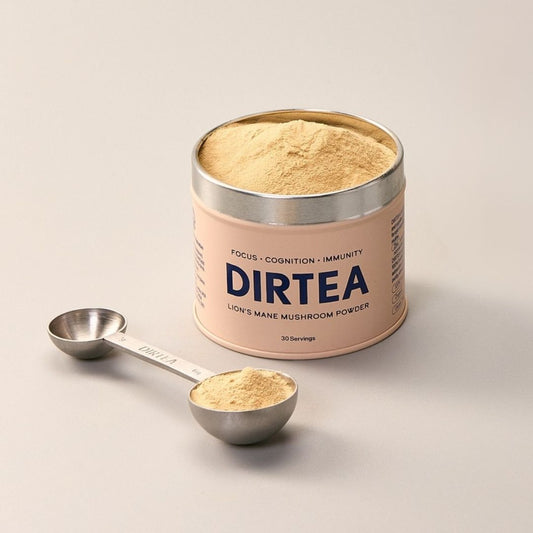
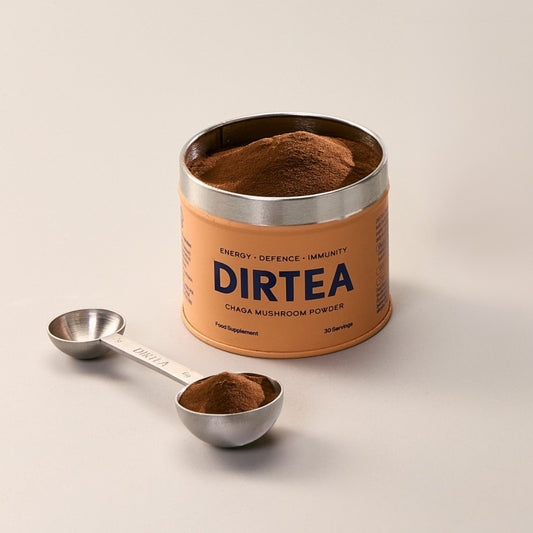
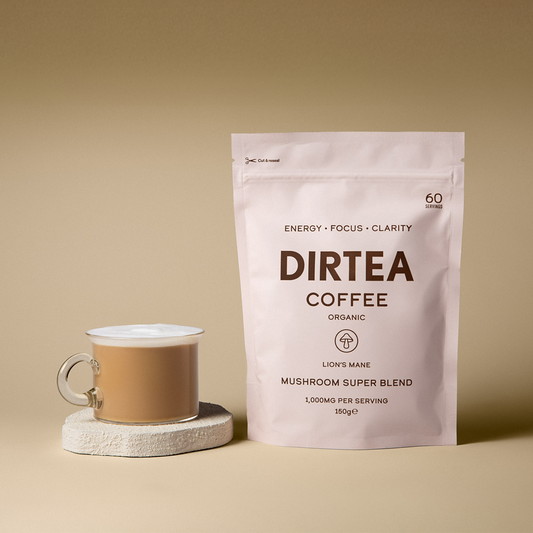
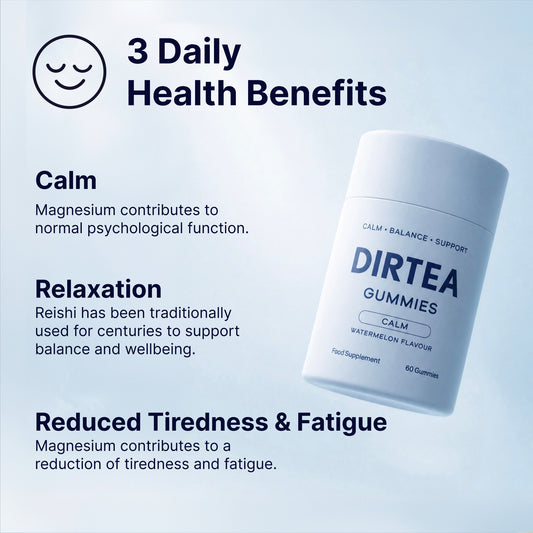
From powders and gummies to coffee blends, functional mushrooms like Lion’s Mane, Reishi, Chaga, Tremella, and Cordyceps are now used to support how people approach focus, calm, and energy — without relying solely on stimulants.
What Makes Mushrooms “Functional”?
Functional mushrooms are valued for their naturally occurring compounds, including:
- Beta-glucans (polysaccharides)
- Antioxidants
- Triterpenes and plant compounds
These compounds are widely studied for how they interact with the body’s natural processes.
Research suggests mushrooms contain bioactive compounds that may play a role in areas like immune function, gut balance, and metabolic processes — although outcomes can vary and more human research is still developing.
The Science: What Do We Actually Know?
When it comes to functional mushroom supplements, the research is promising — but it’s important to keep expectations realistic.
Immune Function
Beta-glucans are among the most studied components in functional mushrooms.
- They are known to interact with immune-related pathways
- They are often researched for their role in maintaining balance within the body
This is why functional mushrooms are commonly included in daily wellness routines — not as a treatment, but as part of long-term support.
Gut & Microbiome
Functional mushrooms are also being explored for their role in gut health.
- Some compounds act as prebiotic fibres, feeding beneficial gut bacteria
- The gut is closely linked to wider wellbeing, including energy and mood
Again, these effects are subtle and depend on consistency over time.
Focus & Mental Clarity
Mushrooms like Lion’s Mane are often associated with cognitive performance.
While early research is ongoing, many people incorporate them into their routines to support clarity and focus as part of a balanced lifestyle — particularly when paired with nutrients like B vitamins.
Energy & Daily Performance
Cordyceps is commonly used in routines focused on physical energy and stamina.
Rather than acting as a stimulant, functional mushrooms are often positioned as a non-jittery alternative that works alongside the body’s natural energy rhythms.
Whole Mushrooms vs Supplements
Why not just eat mushrooms?
Whole mushrooms are nutritious, but supplements offer:
Concentration
Extracts provide higher levels of key compounds than typical dietary intake.
Consistency
A daily scoop or gummy creates a repeatable habit.
Targeted Routine
Different functional mushrooms are often chosen for different moments in the day:
- Lion’s Mane → morning focus
- Cordyceps → daytime energy
- Reishi → evening wind-down
What Makes a Mushroom Supplement Worth It?
This is where most people get it wrong — because quality matters more than the mushroom itself.
1. Fruiting Body vs Mycelium
- Fruiting body = preferred
- Mycelium on grain = often diluted
2. Extraction Process
Functional mushrooms need extraction to make compounds accessible.
- Hot water → beta-glucans
- Dual extraction → broader profile
Without this, you may not be getting much benefit at all.
3. Transparency
Look for:
- Clear ingredient sourcing
- Third-party testing
- No fillers or unnecessary additives
4. Smart Formulation
One of the most effective approaches is combining functional mushrooms with vitamins that have approved benefits, such as:
- Vitamin B12 → supports normal energy-yielding metabolism and reduces fatigue
- Zinc → supports normal cognitive function and immune system function
- Vitamin C → supports normal immune function
This creates a more reliable, balanced formulation.
Are Mushroom Supplements Safe?
Functional mushroom supplements are generally considered safe when sourced from high-quality brands.
They are typically:
- Well tolerated
- Suitable for daily use
- Designed to complement, not replace, a healthy lifestyle
As always:
- Follow recommended usage
- Speak to a professional if unsure
Who Are They Actually Worth It For?
Functional mushroom supplements may be worth it if you:
- Prefer natural, routine-based wellness
- Want to build a consistent daily habit
- Are looking for alternatives to overstimulation
- Value long-term support over quick fixes
They are less effective if you expect:
- Immediate results
- Dramatic changes without consistency
The Verdict: Are Mushroom Supplements Worth It?
Yes — but only when used in the right way.
Functional mushrooms are not about instant transformation. They are about small, consistent inputs that support how you feel over time.
When:
- High-quality extracts are used
- Formulations are thoughtfully designed
- And they’re taken consistently
They can absolutely be worth incorporating into your daily routine.
How to Use Functional Mushrooms Effectively
To get the most out of them:
- Take them daily
- Pair them with existing habits (morning coffee, evening wind-down)
- Choose mushrooms based on your routine
Example:
- Morning → Lion’s Mane for focus
- Afternoon → Cordyceps for energy
- Evening → Reishi as part of a calming ritual
FAQs
Are functional mushroom supplements better than coffee?
They’re different. Coffee provides caffeine, while functional mushrooms are often used to support a more balanced, steady experience.
How long do they take to work?
Most people notice subtle changes over 2–4 weeks, with consistency being key.
Can you take them every day?
Yes — they are typically designed for daily use.
Are gummies as effective as powders?
They can be, depending on dosage and extract quality.
Do they help with stress?
Some functional mushrooms are traditionally used in calming rituals, though effects are generally subtle and vary between individuals.
References
Pione, A., Medalsy, J., Weaver, K., Callaghan, S., & Rickert, S. (2025, May 29). The $2 trillion global wellness market gets a millennial and Gen Z glow-up. McKinsey & Company. Read the full report