

Natural Ways to Boost Collagen Production

Share
Collagen has become one of the most talked-about pillars of modern wellness—and for good reason. As the most abundant protein in the body, it forms the structural foundation of your skin, joints, hair, and connective tissue.
But here’s the reality: collagen production begins to decline earlier than most people expect.
According to the American Academy of Dermatology Association, women can lose up to 30% of their skin collagen in the first five years after menopause, followed by a slower decline of around 2% per year thereafter.
That slow decline is what eventually shows up as fine lines, reduced elasticity, slower recovery, and even joint stiffness.
The good news? Collagen is not just something you lose—it’s something you can actively support through daily habits.
This guide breaks down the most effective, natural ways to boost collagen production, combining nutrition, lifestyle, and supplementation—all aligned with a simple DIRTEA-style daily ritual.
Why Collagen Support Matters
Collagen isn’t just about skin—it’s about structure.
It supports:
- Skin firmness and hydration
- Joint strength and mobility
- Hair and nail integrity
- Muscle and tissue recovery
In fact, collagen makes up a significant portion of your body’s connective tissue, and as levels decline, both visible and internal changes begin to occur.
This is why modern wellness is shifting from “anti-ageing” to collagen support and preservation.
1. Prioritise Vitamin C Intake
If collagen is the structure, vitamin C is the builder.
Your body cannot produce collagen without vitamin C—it plays a critical role in stabilising and forming collagen fibres.
Collagen-supporting foods rich in vitamin C:
- Citrus fruits (oranges, lemons)
- Berries
- Kiwi
- Bell peppers
- Leafy greens
Without sufficient vitamin C, collagen synthesis slows down significantly. This is why many collagen routines combine:
- Protein (building blocks)
- Vitamin C (assembly support)
2. Eat Enough Protein Daily
Collagen is made from amino acids—specifically glycine, proline, and hydroxyproline. That means adequate protein intake is non-negotiable for collagen production. Collagen-supporting protein sources:
- Eggs
- Fish
- Chicken
- Bone broth
- Plant proteins (lentils, chickpeas)
Your body essentially:
breaks protein → rebuilds collagen
Without enough protein, your body simply doesn’t have the raw materials.
3. Include Zinc for Collagen Formation Zinc is one of the most underrated collagen support nutrients.
It helps:
- Activate enzymes involved in collagen synthesis
- Support tissue repair
- Maintain skin health
Zinc-rich foods:
- Pumpkin seeds
- Nuts
- Shellfish
- Whole grains
Alongside whole foods, zinc can also be supported through functional blends designed for daily use.
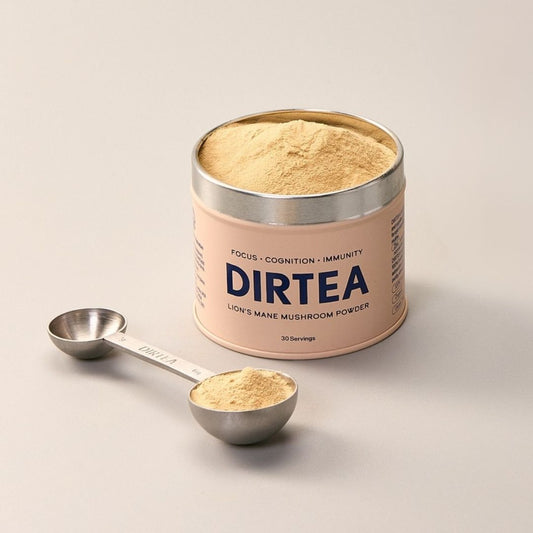
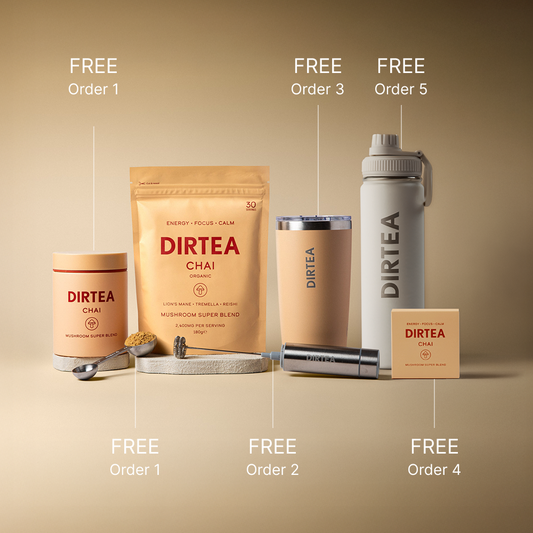
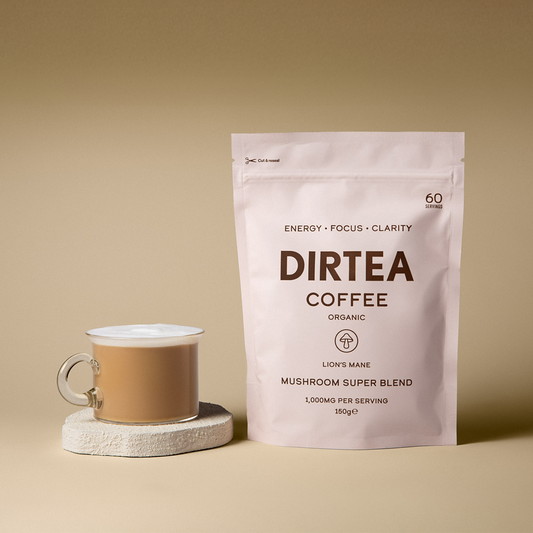
DIRTEA products such as Lion’s Mane Focus Powder and Tremella Beauty Powder are formulated with organic zinc, making them an easy addition to your routine while supporting both cognitive function and skin health as part of a broader wellness ritual
Together, vitamin C + zinc + protein create the core foundation of natural collagen production.
4. Protect Your Skin from Sun Exposure You can build collagen—but you also need to protect what you have.
UV exposure is one of the biggest accelerators of collagen breakdown, triggering enzymes that degrade collagen fibres over time.
According to research, up to 80% of visible skin ageing is linked to UV exposure, including collagen damage.
Simple daily habits:
- Wear SPF daily (even in winter)
- Avoid excessive sun exposure
- Use protective clothing when needed
Think of sun protection as:
collagen preservation, not just skincare
5. Prioritise Sleep and Recovery
Collagen is not built during the day—it’s built during repair phases, especially sleep. Poor sleep has been linked to:
- Reduced collagen production
- Slower skin regeneration
- Increased breakdown of connective tissue
Simple ritual:
- Aim for 7–9 hours of sleep
- Reduce blue light at night
- Create a consistent wind-down routine
In DIRTEA terms, this is your evening ritual layer—where recovery meets regeneration.
6. Reduce Lifestyle Factors That Break Down Collagen
Some habits actively accelerate collagen loss:
- Smoking
- Excess sugar
- Alcohol
- Chronic stress
These factors increase oxidative stress and damage collagen structure. Over time, this leads to:
- Thinner skin
- Reduced elasticity
- Slower healing
Collagen support isn’t just about what you add—it’s also about what you remove.
7. Focus on Collagen Foods (and Their Building Blocks)
While collagen itself is found in animal-based foods, your body also builds it from nutrients found in a wide range of foods.
Collagen-rich foods:
- Bone broth
- Skin-on fish
- Slow-cooked meats
Collagen-supporting foods:
- Fruits and vegetables (vitamin C)
- Nuts and seeds (zinc)
- Protein sources (amino acids)
A balanced, nutrient-dense diet remains one of the most effective long-term strategies.
8. Add Collagen Supplementation to Your Routine
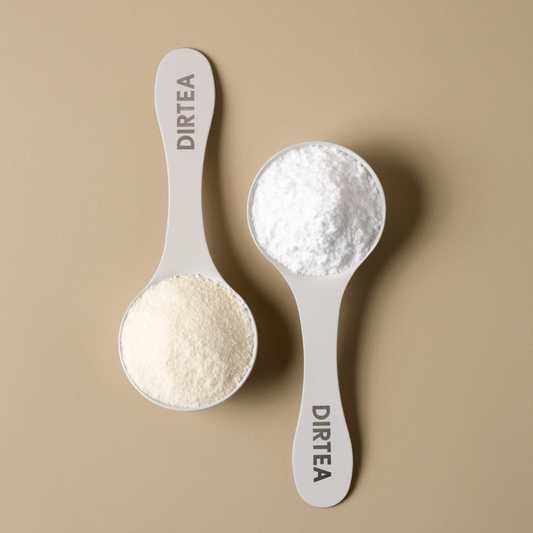
While food lays the foundation, supplementation can help simplify and optimise intake. Hydrolysed collagen peptides are broken down into smaller molecules, making them:
- Easier to absorb
- Easy to mix into daily drinks
- Convenient for consistency
DIRTEA Ritual: Pure Essentials Collagen
DIRTEA Collagen is designed as a clean, daily ritual:
- 100% hydrolysed bovine collagen peptides (Peptan®)
- Type I & III collagen (found in skin and connective tissue)
- Hydrolysed for absorption and easy mixing
- No fillers, flavourings, or sweeteners
- Neutral taste—mixes into hot or cold drinks
This makes it easy to integrate into:
- Morning coffee or tea
- Smoothies
- Evening drinks
Rather than a quick fix, think of it as:
a consistent daily input that supports long-term structure
9. Stay Consistent (This Is Where Results Happen)
Collagen support is not instant—it’s cumulative.
Your body responds to:
- Daily nutrient intake
- Lifestyle habits
- Long-term consistency
This is why the most effective approach isn’t extreme—it’s repeatable. A simple daily stack might look like:
- Morning: protein + collagen
- Day: balanced meals + hydration
- Evening: recovery + sleep
Final Thoughts: Collagen Is Built Daily
Collagen is not something you “fix”—it’s something you build, protect, and maintain over time.
The most effective strategy combines:
- Nutrition (protein, vitamin C, zinc)
- Lifestyle (sleep, sun protection)
- Supplementation (hydrolysed collagen)
Together, these create a system where your body can:
produce more, break down less, and function better
Because collagen isn’t just about how you look, It’s about how your body holds itself together.
FAQs
What is the best way to boost collagen naturally?
A combination of protein intake, vitamin C, zinc, sleep, and sun protection is the most effective natural approach.
Do collagen supplements actually work?
Research suggests hydrolysed collagen peptides may support skin hydration and elasticity when taken consistently, especially alongside a balanced diet.
How long does it take to see results from collagen?
Most people notice changes after 8–12 weeks of consistent use, depending on lifestyle and diet.
Can you rebuild lost collagen?
You can support new collagen production, but prevention and consistency are key—protecting existing collagen is just as important.
References
American Academy of Dermatology Association. (2025). Caring for your skin during menopause.
https://www.aad.org/public/everyday-care/skin-care-secrets/anti-aging/skin-care-during-meno pause
Guan, L. L., Lim, H. W., & Mohammad, T. F. (2021). Sunscreens and photoaging: A review of current literature. American Journal of Clinical Dermatology, 22(6), 819–828. https://pmc.ncbi.nlm.nih.gov/articles/PMC8361399/